Georgia winters are mild most of the year, and that is exactly why frozen pipes catch so many Metro Atlanta homeowners off guard. Our hard freezes arrive fast, and a strong cold snap can hold pipes below freezing for days. Homes here often have water lines running through garages, crawlspaces, attics, and exterior walls that were never built for extended cold. The good news is that an afternoon of preparation in the fall can carry your plumbing through the coldest nights of winter. This article is general information, not professional advice. If you are unsure about anything on this list, call a licensed plumber.
Why pipes freeze and burst
Water expands as it freezes. When a pipe freezes solid, the ice itself is rarely what splits the pipe. The damage usually comes from pressure that builds between the ice blockage and a closed faucet downstream. The pipe cracks under that pressure, and the flooding often starts later, once the ice thaws and water begins moving again. That is why the most vulnerable pipes are the ones in unheated spaces: crawlspaces, garages, attics, and runs along exterior walls. Crawlspace foundations are common across Marietta, Woodstock, Acworth, and much of North Georgia, so plenty of local homes have at least a few exposed lines.
Insulate exposed pipes before cold weather arrives
Foam pipe sleeves are inexpensive, cut to length with scissors, and snap over a pipe in seconds. Work through your crawlspace, garage, and attic and cover every water line you can reach. Pay special attention to pipes near foundation vents and along exterior walls, since those see the coldest air on freezing nights. While you are down there, look at the condition of the pipes themselves. If your home still has aging galvanized or polybutylene supply lines, insulation helps, but the material itself may be the bigger risk. Our pipe repair and repiping team can assess what you have and give you an upfront price you approve before any work begins.
Disconnect garden hoses and cover hose bibs
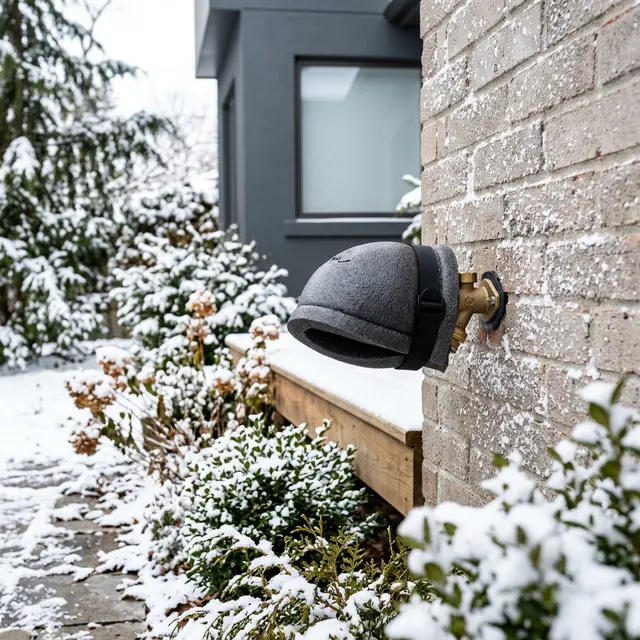
A connected garden hose traps water inside the outdoor faucet, and that trapped water can freeze and crack the valve even on frost-proof models. Before the first freeze of the season, disconnect every hose, drain it, and store it for the winter. Insulated hose bib covers cost a few dollars at any hardware store and add a helpful layer of protection for the faucet itself.
Let faucets drip during a hard freeze
When a hard freeze is in the forecast, open the faucets served by vulnerable pipe runs to a slow, steady drip. Moving water is far less likely to freeze than still water, and an open faucet also relieves the pressure that builds if ice does start to form. It helps to open the cabinet doors under sinks on exterior walls too, since that lets warm room air reach the supply lines behind the cabinet. A slightly higher water bill for a night or two is a small price to pay.
Find your main water shutoff before winter
This is the step homeowners skip most often, and it matters more than anything else on this list. Your main shutoff valve is usually located where the water line enters the house: in a basement, a crawlspace, a garage, or near the water heater. Some homes shut off at the meter box near the street instead. Find yours on a calm day, show everyone in the house where it is, and turn it off and back on once to confirm it moves freely. If a pipe ever bursts, a valve you can close quickly is the difference between a puddle and a flooded room.
If a pipe bursts, keep it simple
Shut off the water at the main valve if it is safe to reach, then call a plumber. That is the whole plan. Do not attempt to repair a burst line yourself. You can reach A&G Plumbing and Drain at (770) 627-4421 Monday through Friday, 9 AM to 5 PM, and we offer same-day visits during business hours. If it is after hours, call and leave a message. Urgent calls are scheduled first when we open the next business day. For an active after-hours emergency, shut off the water if it is safe to do so and contact an emergency service or your utility.
After the thaw, watch for hidden damage
A pipe can freeze, crack slightly, and thaw without ever flooding the house. The clues show up later: a drop in water pressure, a damp patch on a ceiling or wall, or a water bill that climbs without explanation. If you notice any of those signs once the weather warms, our leak detection and repair team can locate the problem and walk you through the options before any work begins.
Your fall freeze-prep checklist
- Disconnect, drain, and store garden hoses.
- Slip foam insulation over exposed pipes in the crawlspace, garage, and attic.
- Cover outdoor hose bibs.
- Locate and test your main water shutoff valve.
- Decide which faucets you will let drip when a hard freeze is forecast.
Want help getting your plumbing ready for winter? Request a visit online or call (770) 627-4421 and we will take a look before the cold arrives.