Help & FAQs
Answers to common plumbing questions from the team at A&G Plumbing and Drain.
Plumbing questions answered
Frequently asked plumbing questions
Browse by category or scroll through the full list. If you don't see your question, call us at (770) 627-4421 and we will give you a straight answer.
General Questions
Yes. Text us at (770) 627-4421 to schedule an appointment or ask a question, and we'll reply during business hours, Mon-Fri, 9 AM to 5 PM. Prefer to talk? Call the same number. For an urgent issue during business hours, calling is fastest.
We are open Monday through Friday, 9 AM to 5 PM. If water is actively leaking, turn off the nearest fixture valve or your home's main water shutoff first. Then call us at (770) 627-4421 and leave a message. Urgent calls are scheduled first when we open the next business day.
Simple repairs (faucet repair, toilet repair, unclogging drains, garbage disposal replacement) take 1 to 2 hours. Moderate jobs (toilet replacement, sink installation, water heater replacement) take 2 to 4 hours. Complex projects (sewer line repair, whole-house repiping, main water line replacement) may take 4+ hours or multiple days. Our technicians provide time estimates before beginning work and keep you updated on progress.
A&G Plumbing and Drain has been serving the Metro Atlanta area since 2006. As a family-owned and operated business, we've built our reputation on honest, reliable service and quality workmanship. That experience covers a wide range of plumbing issues, from routine fixture repairs to whole-house repiping.
A&G Plumbing and Drain proudly serves the entire Metro Atlanta area including: Marietta, Kennesaw, Acworth, Smyrna, Vinings, Atlanta, Sandy Springs, Roswell, Alpharetta, Buckhead, Brookhaven, Dunwoody, and surrounding areas. We serve customers throughout the region during our business hours. For a complete list of our service areas, please visit our Areas We Serve page or contact us to confirm we service your specific location.
Annual plumbing maintenance is essential for preventing costly repairs, improving water efficiency, and extending the life of your pipes, fixtures, and appliances. Start by checking all visible pipes for corrosion, moisture, or leaks. Test all faucets and toilets for proper operation and inspect for slow drains. Have your water heater professionally flushed to remove sediment buildup. Make sure shut-off valves operate smoothly, and inspect hoses on appliances for cracks or wear. Schedule a professional inspection with A&G Plumbing and Drain for a full system check, water pressure testing, drain flow evaluation, and hidden issue detection.
Pricing & What to Expect
You get an upfront price before any work begins. Our technician diagnoses the problem in person, explains what is going on in plain language, and gives you a price. You approve the price before we start. If we uncover a hidden problem mid-job, we stop and get your approval before anything that changes the price.
Not honestly, and we would rather be honest. Two clogged drains or two water heaters can be very different jobs once a technician sees the access, the parts involved, and the condition of everything around them. What we can promise on the phone: we diagnose first, then you approve the price before any work begins.
Four things move the price on most plumbing jobs: access (a pipe behind drywall or under a slab costs more to reach than one under a sink), parts (fixture brands and models vary widely), the age and condition of the surrounding system, and what the inspection uncovers once the problem area is opened up. That is exactly why we diagnose before we quote, and why you approve the price before work begins.
Call or text (770) 627-4421 during business hours, Monday through Friday, 9 AM to 5 PM, and we will get you on the schedule, with same-day visits when the schedule allows. The technician diagnoses the problem, explains your options in plain language, and gives you a price. Work starts only after you approve it, and we clean up after ourselves before we leave. After hours, leave a message; urgent calls are scheduled first when we open the next business day.
We stop and show you. Anything beyond the job you approved gets inspected and priced separately, and you decide whether and when to do it. We never fold surprise work into the original price.
Financing is available; ask us about options when you call. It comes up most often on bigger jobs like whole-home repiping, sewer line replacement, and water heater replacement.
We stand behind our work with a warranty on the work we perform, and we honor manufacturer warranties on parts and fixtures. Ask us for the current written terms when you schedule.
We offer same-day visits during business hours, Monday through Friday, 9 AM to 5 PM, when the schedule allows. Urgent problems like active leaks, sewer backups, and no hot water are prioritized within the schedule, and calling early in the day gives you the best chance.
Drains & Clogs
Chemical drain cleaners may offer a quick fix, but they can be hard on your plumbing system. Many contain harsh acids or caustic substances that can corrode pipes over time, and they can be harmful to septic systems. For stubborn or recurring clogs, professional drain cleaning is a safer choice, so give us a call.
Gurgling or popping sounds are typically signs of air trapped in the plumbing system, usually caused by a partial clog or a venting issue. Common causes include buildup of grease, hair, or debris in the pipes, or a blocked plumbing vent on the roof. Improper pipe installation or older, undersized plumbing systems may also contribute. Have a professional plumber inspect the issue to prevent further damage or backups.
Common causes include main sewer line blockage (from tree roots, grease, or foreign objects), collapsed or broken sewer pipes, city sewer main issues, heavy rainfall overwhelming the system, and septic system failure. If you experience a sewage backup, turn off the nearest fixture valve or your home's main water shutoff, then call us at (770) 627-4421 and leave a message. We recommend a sewer camera inspection to identify the root cause and can install backflow prevention devices.
Yes, tree roots are one of the most common and destructive causes of sewer line damage. Roots naturally grow toward sources of water and nutrients, entering through tiny cracks or loose joints. Once inside, they expand and create a web-like structure that catches debris, causing increasingly severe blockages. Signs of root intrusion include recurring drain backups, multiple slow-draining fixtures, gurgling toilets, and sinkholes or unusually lush patches of grass. A sewer camera inspection can confirm the issue, and solutions range from professional drain cleaning to sewer line repair or replacement.
For kitchen drains: use drain strainers, keep grease out of the drain, avoid putting coffee grounds and starchy foods down the disposal, and run cold water during disposal use. For bathroom drains: install hair catchers, clean drain stoppers regularly, and avoid flushing wipes or hygiene products. For stubborn or recurring clogs, we recommend scheduling professional drain cleaning, so give us a call.
Slow draining sinks are typically caused by hair buildup (combining with soap scum), soap scum accumulation, grease and food particles in kitchen sinks, foreign objects, mineral buildup from hard water, tree root intrusion (for drainage affecting multiple fixtures), or improper drain slope. Regular maintenance can prevent most clogs. For persistent slow drains, our professional drain cleaning services can restore proper flow using drain machines, cabling, and snaking.
Clogged drains are best handled with the right tools and experience, so recurring or stubborn clogs are worth leaving to a professional. Avoid chemical drain cleaners, which can damage pipes. For safe, thorough drain cleaning, call A&G Plumbing and Drain and we'll take care of it.
Kitchen: cooking grease/oils/fats, coffee grounds, eggshells, starchy foods (pasta, rice, potatoes), fibrous vegetables (celery, corn husks), bones, and non-food items. Bathroom: hair (use drain covers), "flushable" wipes, dental floss, cotton swabs/balls, feminine hygiene products, medications, and kitty litter. All drains: paint, solvents, automotive fluids, and chemical drain cleaners. When in doubt, throw it in the trash instead of washing it down the drain.
Common causes include a dry P-trap (the curved pipe that holds water to block sewer gases, common in rarely used fixtures), biofilm buildup (bacteria creating odor-producing slime), food decomposition in garbage disposals, sewer line issues allowing gases to back up, venting problems, and mold or mildew growth. For infrequently used fixtures, simply running water for 30 seconds refills the P-trap. For persistent smells, professional drain cleaning or sewer line inspection may be needed.
The dishwasher shares a drain connection with the sink, usually through the garbage disposal. When the line just past that connection clogs, the dishwasher's discharge water takes the easiest exit: up into the sink. Stop the cycle, skip the chemical cleaner, and have the shared line cleared. Our drain cleaning page covers how we clear it.
Fixtures & Appliances
A running toilet is usually caused by a worn-out flapper, a misaligned float, or a faulty fill valve. First, inspect the flapper at the bottom of the tank and try jiggling the handle to reseat it. Next, check the float and adjust it downward if it's too high. If water continues to run, turn off the shut-off valve behind the toilet until a plumber can inspect and repair the issue. For a deeper look at the causes, read our guide: Why is my toilet running?
Signs it's time for replacement: frequent repairs, constant clogging (especially pre-1990s models), cracks in the porcelain, excessive water usage (older toilets can use several times more water per flush than modern high-efficiency models), wobbling or instability (may indicate floor damage), visible mineral buildup affecting flush performance, and aesthetic concerns. Modern toilets offer significant advantages in water efficiency, flushing power, comfort features, and soft-close lids.
The issue likely lies within the shower valve or mixing components rather than your water heater. Common culprits include a faulty thermostatic mixing valve (TMV) or pressure-balancing cartridge that has worn out or become clogged with mineral deposits. Another possible issue is a misadjusted anti-scald device. In rare cases, incorrect plumbing connections or cross-flow between hot and cold lines can affect shower temperature, especially in older or remodeled homes. Contact A&G Plumbing for professional troubleshooting.
For basic kitchen or bathroom faucet replacements, the job typically involves shutting off the water supply, disconnecting the old faucet, cleaning the mounting surface, installing the new fixture, and checking for leaks. This can usually be completed in under an hour. Complications may arise if shut-off valves are corroded, plumbing is outdated, or there's water damage or mineral buildup. In these cases, it's best to call a professional.
Common issues include: No power/won't turn on, check the tripped circuit breaker, the red reset button on the bottom, faulty wall switch, or motor failure. Runs but doesn't grind, jammed impeller plate, foreign object lodged inside, or worn cutting components. Leaking, loose connections at sink flange, discharge pipe, or dishwasher connection, cracked body, or improperly installed components. Our plumbers can diagnose and repair most disposal issues, or recommend replacement if the unit is 8 to 15+ years old.
A constantly dripping faucet is typically caused by worn-out O-rings or gaskets, corroded valve seats, damaged cartridges or washers, improper installation, or high water pressure. Even a slow drip can waste thousands of gallons annually and significantly increase your water bill. Replacing components or scheduling professional faucet repair usually resolves the issue. However, if your faucet is older than 10 years or shows corrosion, complete replacement might be the better long-term solution.
Common causes include: clogged filter basket, blocked or kinked drain hose, clogged air gap, garbage disposal knockout plug not removed (if recently installed), drain pump failure, or clogged sink drain. Start by cleaning the filter at the bottom, check that the drain hose isn't kinked, and run your garbage disposal to clear potential blockages. For persistent issues, a professional plumber can diagnose more complex problems with the drain pump or internal components.
Before cold weather: insulate exposed pipes in unheated areas, seal gaps around pipes where cold air enters, disconnect garden hoses and drain outdoor faucets, and locate your main shut-off valve. During freezing temperatures: keep your home heated to at least 55°F, allow vulnerable faucets to drip slightly, open cabinet doors beneath sinks on exterior walls, and keep garage doors closed if water lines run through the garage. For extended winter absences, consider shutting off the water main and draining the system.
We do. We install customer-supplied faucets, sinks, toilets, and garbage disposals, and we stand behind our workmanship on the installation. If the fixture you picked is a headache waiting to happen, we will tell you honestly before it goes in. Details are on our faucet and sink page.
Rather talk to a plumber?
Call (770) 627-4421 Monday through Friday, 9 AM to 5 PM, or request service online and we will follow up when we open.
Leaks & Pipes
Low water pressure can be caused by mineral buildup inside faucet aerators and showerheads, partially closed shut-off valves or pressure-reducing valves adjusted too low, hidden leaks in your plumbing system, corrosion inside galvanized steel pipes, clogged water lines, municipal supply issues, or pressure regulator failure. If it affects only one fixture, clean the aerator. If it affects your entire home, our water pressure and PRV service can diagnose the cause.
Warning signs include unexplained increases in water bills, the sound of running water when no fixtures are in use, damp or wet spots on walls, ceilings, or floors, mold or mildew growth in typically dry areas, warm spots on floors (indicating hot water line leak), water meter movement when all water is off, reduced water pressure, and foundation cracks or unexplained pooling water. Our leak detection and repair team can help locate hidden and underground leaks without unnecessary demolition.
We use professional leak detection equipment to locate leaks behind walls and under slabs before we cut into anything. Finding the source first reduces unnecessary demolition and keeps the repair focused on the right spot. If you suspect a hidden leak, our leak detection and repair service is the place to start.
If a pipe bursts, turn off the nearest fixture valve or your home's main water shutoff to stop the flow of water. Then call A&G Plumbing at (770) 627-4421 and leave a message. Our plumbers will repair the burst and help identify the cause to prevent recurrence.
Different sounds indicate different issues: banging/hammering (water hammer from sudden valve closure), whistling (water moving through a restricted area), rattling (pipes not properly secured), ticking/tapping (thermal expansion of hot water pipes), humming (water pressure too high), and gurgling (drain venting issues). Solutions include installing water hammer arrestors, adding pipe straps, or adjusting pressure regulators. While some noises are merely annoying, others can signal problems leading to leaks if not addressed.
Repiping involves: initial assessment and planning, material selection (copper, PEX, or CPVC), home preparation and protection, creating strategic wall/ceiling openings, removing old pipes and installing new ones, leak testing and pressure verification, patching openings, and final code inspection. A complete repipe typically takes 2 to 5 days. It's recommended for homes with lead or galvanized steel pipes, frequent leaks, rusty water, or severely corroded pipes causing persistent issues.
Common causes include corroded galvanized steel pipes, water heater corrosion (if rusty water appears only with hot water), municipal water system work stirring up sediment, high iron content in well water, and corroded water mains. To determine the source, check if discoloration affects hot water, cold water, or both. Rusty water is usually an aesthetic issue rather than a safety one, but if you have concerns about your water, have it tested. It can also stain fixtures and laundry.
Pressurized water is moving somewhere it should not be. First rule out the quiet culprit: a toilet whose flapper is letting water seep through, which our post on why toilets run shows you how to spot. Then do the meter test: turn off every fixture and appliance, and watch the flow indicator at your water meter for 15 to 30 minutes. If it moves, water is escaping somewhere and it is time to call for leak detection.
Maintenance & Prevention
Key strategies: manage water pressure (a healthy range is between 40 and 80 PSI, and a regulator helps if yours runs high), address hard water with a water softener, avoid chemical drain cleaners (use enzyme-based cleaners instead), upgrade outdated materials like galvanized steel or polybutylene pipes, insulate pipes properly, install water hammer arrestors, schedule professional maintenance every 1 to 2 years, know your shut-off valve location, and choose quality fixtures with brass or ceramic components.
Monthly: check for leaks under sinks and around toilets, test drains for slow drainage, inspect exposed pipes, check water pressure, run water through rarely used fixtures. Quarterly: clean showerheads and aerators, check toilet flappers and fill valves, inspect washing machine hoses, flush drains with baking soda and vinegar. Annually, have a professional flush your water heater and test the pressure and temperature relief valve. It is also a good time to inspect the main sewer line, test water pressure with a gauge (it should be between 40 and 80 PSI), and inspect caulking around tubs, showers, and sinks.
We recommend comprehensive plumbing inspections at least every two years. More frequent inspections are needed for older homes (25+ years, annually), homes with mature trees near sewer lines (annual sewer inspection), homes with a history of plumbing issues, before purchasing a home, and after major renovations near water or sewer lines. A professional inspection covers water pressure, visible pipes, drains and fixtures, water heater condition, toilet mechanics, and sump pump operation.
Water Heaters
Gas units usually fail on the burner side: the thermocouple, the gas control valve, or the pilot assembly. Electric units fail at the heating elements or the thermostats instead. Either way the fix is usually one part rather than a new heater, and we handle gas and electric water heater service across Metro Atlanta, from diagnosis through replacement when a tank is truly done.
We recommend annual flushing to remove sediment buildup. Flush more frequently (every 6 months) if you have hard water, a smaller tank with high usage, or an older unit. Signs your water heater needs immediate flushing include rumbling/popping sounds, decreasing hot water capacity, or visible sediment in hot water. Professional flushing also provides an opportunity to inspect the anode rod, pressure relief valve, and other critical components.
Consider these factors: Age, if your gas tank heater is 8 to 12 years old or electric unit is 10 to 15+ years old, replacement is often more cost-effective. Repair costs, if exceeding 50% of a new unit's cost, replace. Frequency of repairs, repeated issues favor replacement. Efficiency, newer models significantly reduce utility bills. Performance, if it's not meeting your hot water needs, upgrading may be necessary. Our plumbers can assess your unit and help you make an informed decision.
A traditional gas tank typically serves 8 to 12 years and an electric tank 10 to 15, though skipped maintenance often pushes units toward the shorter end of those ranges. Annual flushing helps either type reach its full lifespan. If yours is in that age window, our guide on how long water heaters last explains the warning signs to watch.
Potential causes include sediment buildup reducing tank capacity (regular flushing can solve this), an undersized water heater for your household's demands, a faulty dip tube that allows cold water to mix with hot, thermostat issues limiting production, or simultaneous hot water usage depleting supply quickly. Our plumbers can diagnose the specific issue and recommend solutions, from simple repairs to upgrading to a larger tank that matches your household's demand.
The location of the leak indicates the source: leaking from the top typically means inlet/outlet connection issues, temperature/pressure relief valve problems, or anode rod port issues (usually repairable). Leaking from the bottom could be condensation, a leaking drain valve, or a corroded tank (tank corrosion usually requires replacement). Other causes include excessive pressure, sediment buildup causing deterioration, or a cracked glass lining. Address leaks quickly, even small ones can cause significant damage.
A sulfur smell that only comes from the hot taps usually means bacteria in the tank reacting with the anode rod, and it is more common in homes where the heater sits unused for stretches. The cure is typically flushing and disinfecting the tank or switching the anode rod type, both jobs for a plumber. One important distinction: if you smell rotten eggs in the air near a gas appliance rather than in the hot water itself, treat it as a possible gas leak. Leave the house and call your gas utility from outside.
The temperature and pressure relief valve opens on purpose when pressure or temperature climbs too high, so a dripping one is giving you information. A steady or repeated drip usually means the valve is worn out or your home's water pressure is running too high. Never cap or plug a dripping relief valve; it is the tank's most important safety device. Have the pressure checked, and see our water pressure and PRV page for why high pressure is often the real culprit.
Our approach
Honest diagnostics and transparent consultation
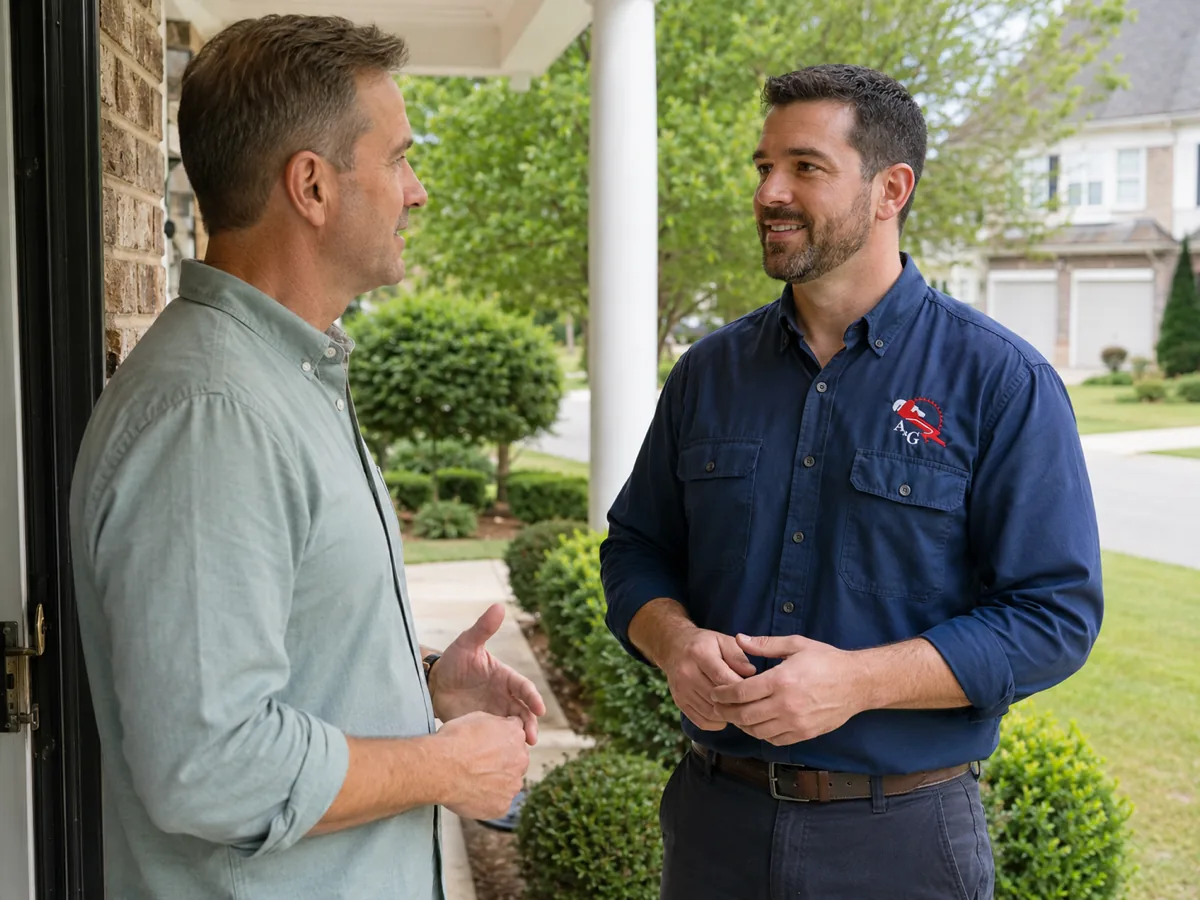
We believe an educated homeowner is a valued customer. We don't employ pushy salespeople; our technicians focus on solving your problem, not up-selling you.
-
No-Pressure Explanations
When our technicians diagnose a plumbing issue, we take the time to show you exactly what has failed and explain why it failed. We walk you through the mechanics of your system in plain English, omitting the confusing industry jargon.
-
Flat-Rate Pricing
We give you a flat-rate price for the work before we begin, so you can approve the cost first. If we find an additional issue once we are underway, we stop and get your approval before doing any more.
-
Repair vs. Replace Honesty
If a simple $50 repair is all that is needed to keep your fixture running for another five years, we will recommend the repair. We only advise replacement when it is truly the most cost-effective, long-term solution for your home.
Contact
Still have questions?
Call us Monday through Friday, 9 AM to 5 PM, or send a message any time and we'll get back to you when we open.